
Sheep’s wool, particularly from the shoulders and neck, known as cork wool, is the primary material in carpet making.
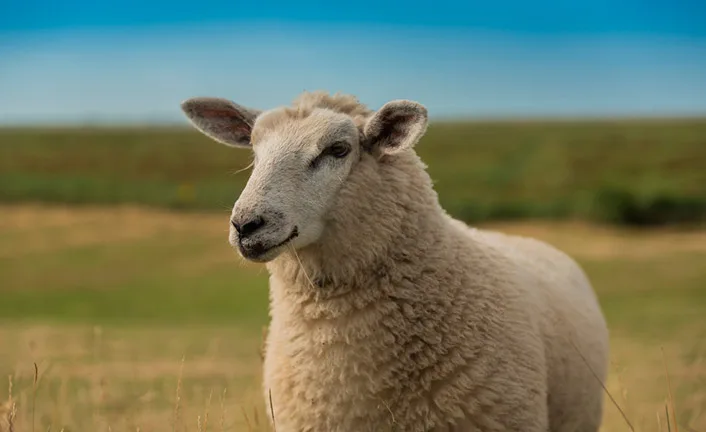
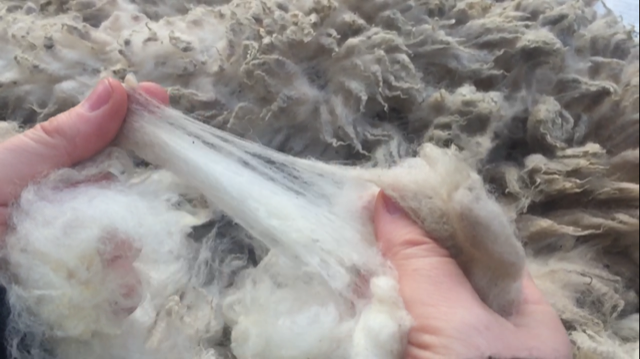
Post-shearing, weavers select the wool, differentiating sheep’s hair from wool upon close examination. The thread is then segregated to achieve uniformity.
The wool is river-washed, dried, and combed using a sharp instrument to detangle the fibers before spinning.
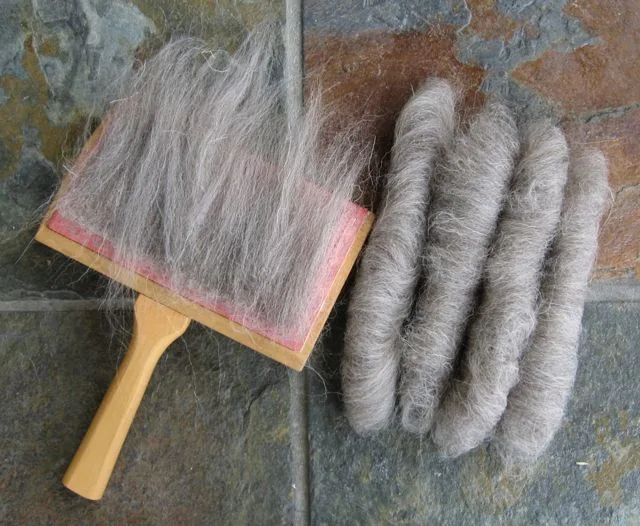
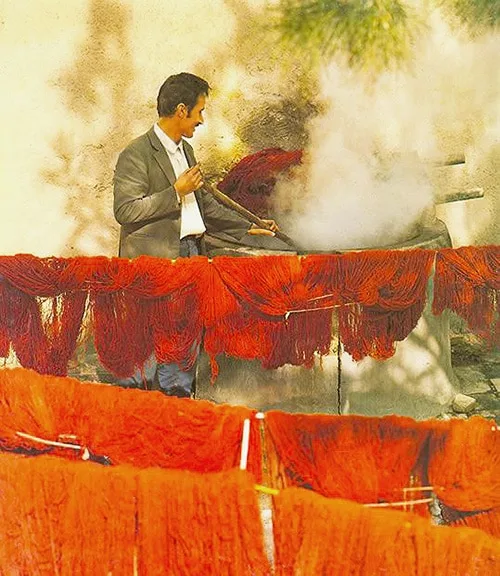
Dyeing is an art form. Wool threads are repeatedly submerged in a dye-filled container until a uniform shade is achieved.
Weaving commences thereafter. Carpets are woven on vertical or horizontal looms using a hook-shaped knife, a comb to solidify the weft and rows of knots, and scissors for pile cutting.
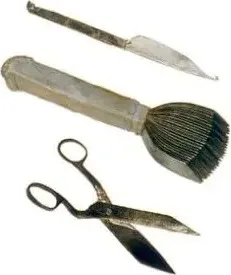
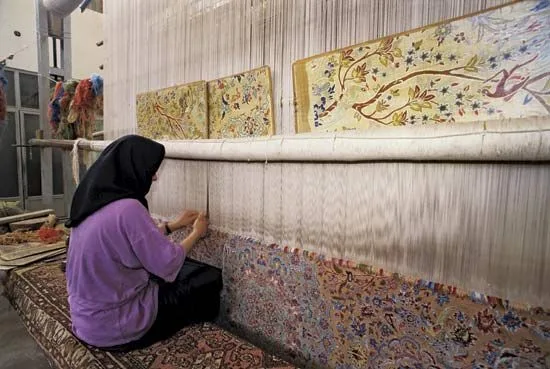
Weavers typically use a design card as a reference.
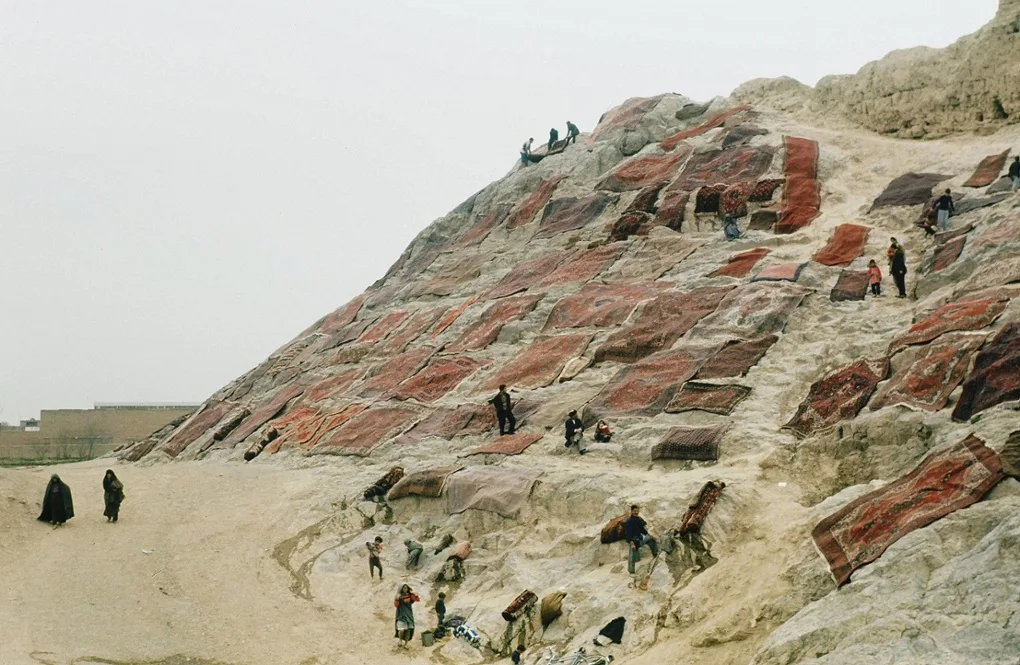
Upon completion, the carpet is washed to remove excess dye and dirt, then sun-dried to stabilize the colors.
How are Persian rugs made?
A hand-knotted Persian rug is built knot by knot on a loom, one row at a time. Depending on its size and fineness a single rug can take anywhere from a few months to several years, and nothing about the process is hurried. Here is how a rug travels from raw wool to finished art.
The materials
It begins with fibre: hand-spun sheep’s wool for the pile — prized for the lanolin that makes it glow — sometimes silk for the very finest pieces, and cotton or wool for the foundation. The yarn is dyed, traditionally with natural colours such as madder red and indigo blue; the way those age is the subject of our guide to naturally versus synthetically dyed wool. In the most luxurious rugs the pile itself is silk.
The loom and the foundation
The warp threads are strung tight, top to bottom, on a vertical or horizontal loom. Warp and weft together make the foundation — the skeleton of the rug that the knots are tied onto, and that will finish as the fringes and selvedges (there is more on this in our guide to how a rug’s structure is made).
Tying the knots
Now the weaving proper. The weaver ties a knot of coloured wool around each pair of warp threads — the symmetric (Turkish or Ghiordes) knot or the asymmetric (Persian or Senneh) knot — then passes one or more weft threads across and beats the row down tight with a heavy comb. Row after row, the pile grows. The number of knots per square metre is the rug’s density; city workshops follow a painted design called a naqsheh, while tribal weavers work from memory.
Shearing and finishing
The pile is sheared level as the rug grows, so the design sharpens with every row. When the last knot is tied, the rug is cut from the loom, the fringes and selvedges are secured, and the whole piece is washed and given a final, careful shearing — often dried in the sun, which settles the colours. Only then is the rug finished.
Quick answers
How long does it take to make a Persian rug? From a few months for a small, coarser village rug to several years for a large, finely knotted city or silk piece. A rug is quite literally thousands of hours of hand work.
Are Persian rugs made by hand? A true Persian rug is entirely hand-knotted — every knot tied by hand around the warps. Machine-made rugs exist but are a different product; the value of an antique Persian rug lies precisely in the hand.
What is a rug “knot”? A loop of pile yarn tied around a pair of warp threads. The two main types are the symmetric (Turkish) and asymmetric (Persian) knot, and the number of knots per square metre measures how finely a rug is woven.
Persian rugs in the Figalli collection
Every piece in the Figalli catalogue is a hand-knotted, naturally dyed antique — the finished result of exactly this process, chosen for its artistry and state of preservation.
Related reading: Why Buying an Antique Rug Is the Only Eco-Friendly and Sustainable Choice · Points to evaluate in antique oriental rugs · What distinguishes an artistic-level rug from a decorative one? · Kerman – A Persian Garden inside your home · How to Recognise a Lesghi Rug