
In this world of mass-produced, industrially manufactured goods, the variations between two examples of the same product can be seen as flaws. Unlike handmade items, machines can perform the same task with “perfection” at incredibly high speeds and for a fraction of the cost. Machines can create the same piece over and over again within strict quality standards.
But machine-made products lack the deep, affectionate connection you feel when you touch something created by human hands. When it comes to antique rugs, imperfections add a certain character to the piece that may have a positive impact on its aesthetic and monetary value. It therefore makes sense to ask whether the imperfections in rugs can really be considered flaws.
A personal touch in rugs
Handmade rugs have a unique character. They are the result of the work of a human hand that tied every single knot of the rug. The entire weaving process of antique rugs was carried out by human hands — from raising the sheep to producing the wool, cultivating the silk, shearing, and processing the fibres. The yarns were spun and dyed by hand. The design was created by the artist who made the rug. This is what sets a handmade rug apart from a machine-made one and turns it into a work of art rather than merely a material for covering the floor.
Human beings are not machines, and there is a long path of learning before an artist reaches mastery. An antique rug with some imperfection, made by a beginner, is a precious record of the long road they travelled to become an artist. It is a reminder that every master of the textile arts was once an aspiring dreamer.
Antiques of many kinds are treasured by people who appreciate the individual crafts required to create them. Those who collect rugs value the knowledge embodied in the piece, the skill, and the life journey of an artist who passed away long ago.
The beauty of antique rugs lies in that unique personal touch that can only be created by human hands. In Caucasian rugs, imperfections in the design are seen as enhancements and can have a positive impact on the rug’s value. They stand as a physical reminder of the months — and sometimes years — it took to create the piece.
Sometimes you can see the work of several different weavers in a single rug. Antique rugs often have borders or corners that are not perfectly straight, or an unexpected change of colour in the design. These features reflect the circumstances or the intentions of the artist while making the rug. They connect the rug to the people and the land it came from.
The wear and tear of antique rugs
Some of the most beautiful and respected rugs in the world have tears, holes, and colours faded by the sun. Some of the most elegant rugs have aged to the point where only a faint dark outline remains of a design that was once richly elaborate. Time has caused these rugs to oxidise and, as a result, to acquire a timeless character. They now fit perfectly into a home of either rustic or luxurious style. They have become remarkably interesting rugs, because we can imagine their rich history, the events they were part of, the feet that walked upon them, and the conversations they witnessed over their decades — or even hundreds of years.
An antique rug stirs the imagination, but it also raises an important question that troubles the world of antiques in general. When should you restore a rug that has an imperfection, and when should you simply leave it as it is?
This is not an easy question to answer. In some cases, restoring the imperfections will make the rug more valuable; in others, it will diminish its value. If your rug’s value lies in the very history it carries, restoring it will harm that value. But if you are not concerned with preserving the rug’s “antiquity” and care only about the décor of your room, then you may choose to restore it.
Some people would be horrified even to read the suggestion that an antique should be restored. However, when the issue is the preservation of a piece — for example, if a rug has damage to its warps or wefts that needs to be stabilised in order to preserve the very structure of the rug — then repair becomes necessary to prevent further deterioration of the piece. In short, whether or not to restore depends on your purposes. It also depends on the condition of the rug and on determining whether a repair is needed to preserve its structure for the future. Every person and every rug is different in this respect. In general, the older a rug is, the better it is to leave it as it is. The damage, fading, and imperfections of a rug are part of its history and of the journey it made to reach you, for every antique rug has a great deal of history to tell. What was happening on the night that stain appeared? How many times was this rug packed up and moved as that ethnic group travelled between its winter and summer pastures? How was this rug preserved so well for its age? Every observable imperfection in the rug can raise all of these questions. In many cases, however, all we have is our imagination to supply the answers.
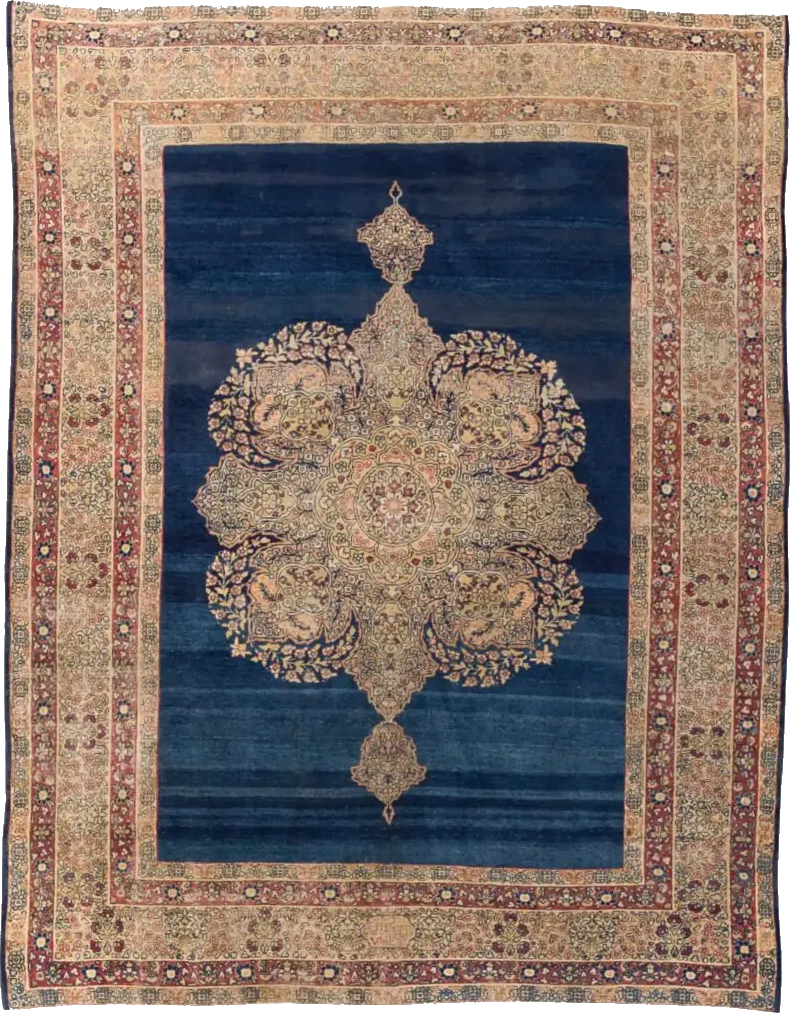
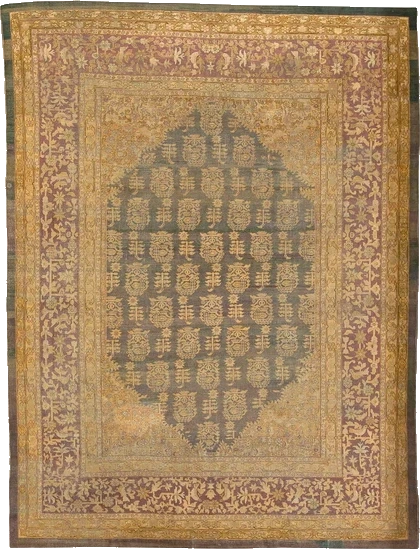
So, in the world of rugs, the imperfections of antique pieces are not always a bad thing. They are part of their history. They add value to the rug, giving it a unique personality that only time can bring — just as wrinkles and grey hair reveal wisdom and reflect the true beauty that transforms a person over the years.
Figalli offers you many antique rugs of excellent quality that bring personality and luxury to your home’s design. We offer beautifully preserved antique rugs that carry small imperfections full of stories. If you appreciate time’s ability to transform art into something more exquisite, you will love our collection of antique oriental rugs.
Related reading: Would You Pay £5,442,000 for a Rug? Yes! · Why Antique Rugs Stand Out · Rugs Made for Royalty: The Superlative of Textile Artistic Expression · After all, what is the meaning of the term boteh? · How to Recognise a Shirvan Rug